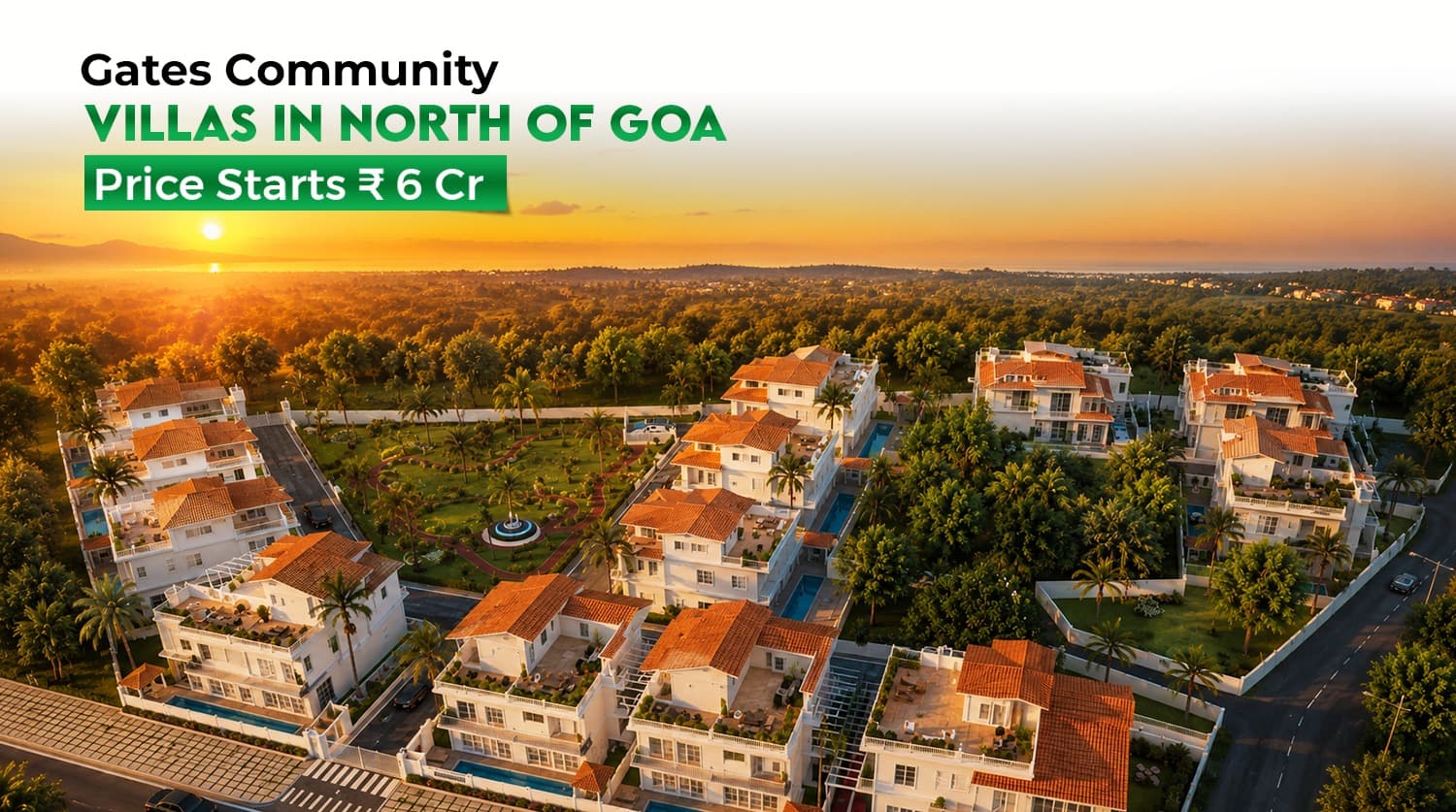

North Of Goa’s real estate market has witnessed sharp growth over the past few years. Rising prices, increasing investor interest, and a visible surge in new developments have made it one of the most discussed property markets in India.
This has naturally raised a key question for investors in 2026: has the market already peaked, or is there still meaningful opportunity left? The answer depends on how deeply you understand demand patterns, supply realities, and location-specific growth.
A Market That Has Rapidly Evolved
North Of Goa is no longer driven purely by tourism. It has transitioned into a lifestyle-led investment destination.
Earlier, demand was largely seasonal. Today, it is consistent and diverse. Buyers now include NRIs, high-income professionals, entrepreneurs, and even remote workers choosing to relocate for longer durations.
This shift has created a more stable and year-round demand cycle, which is a key indicator of a maturing real estate market.
Why the “Oversaturation” Narrative Exists
At a surface level, the concern around saturation seems reasonable.
There is visible construction activity across multiple locations. Villas, boutique developments, and plotted communities are being launched at a steady pace. For someone entering the market today, it can feel like supply is everywhere.
At the same time, property prices in prime areas have increased significantly. What was once considered affordable has now moved into the premium category. This creates the impression that the best opportunities are already gone.
Another factor is the concentration of activity in a few well-known locations. When the same areas repeatedly attract development, it reinforces the idea that the entire region is crowded.
However, these observations only reflect part of the picture.
The Ground Reality Is More Nuanced
Despite the rise in new projects, quality supply remains limited. Not every development attracts buyers, but well-located and well-designed properties continue to see strong demand.
Land availability is another critical constraint. Unlike large metropolitan regions, North Of Goa cannot expand indefinitely. Coastal regulations and geographical limitations restrict excessive development.
This creates a natural balance:
Demand continues to grow
Supply remains controlled
Prices are supported by real fundamentals rather than speculation
In such conditions, a market may feel busy, but it is not necessarily saturated.
Infrastructure Has Changed the Growth Trajectory
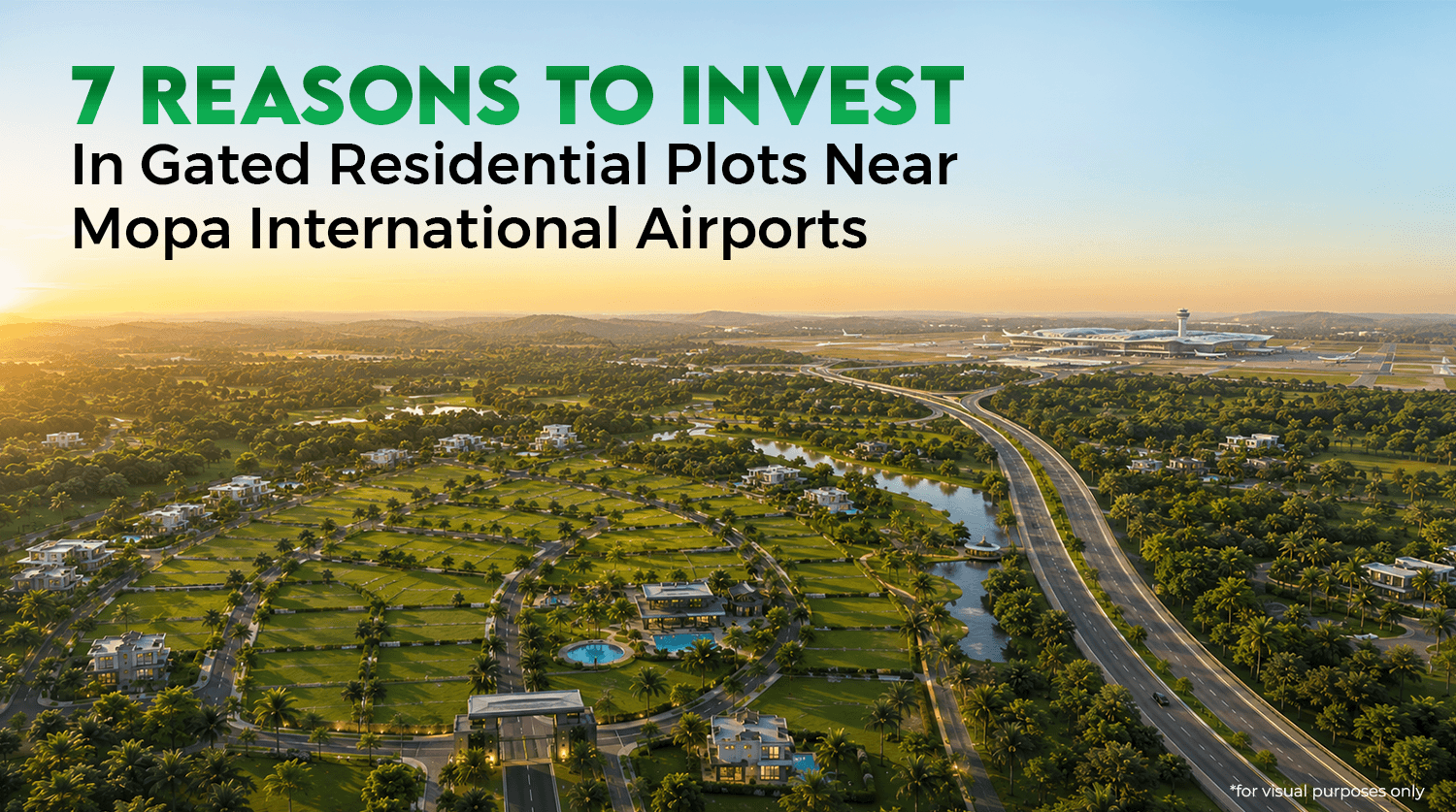
One of the most important drivers behind North Of Goa’s rise is infrastructure development, particularly the new international airport at Mopa.
This development has significantly improved accessibility. Travel time has reduced, connectivity has expanded, and the region is now far more attractive to both domestic and international visitors.
The impact goes beyond convenience. Areas connected to major infrastructure tend to experience:
Faster real estate absorption
Increased investor confidence
Long-term appreciation potential
North Of Goa is currently benefiting from this exact cycle, which is still unfolding rather than concluding.
The Strength of the Rental Market
A defining feature of North Of Goa is its strong rental ecosystem. Unlike traditional real estate markets where rental income is fixed and long-term, this region thrives on short-term stays.
This creates a different financial dynamic.
Well-located properties—especially villas and premium holiday homes—can generate significant income during peak tourist seasons. Even outside peak periods, steady weekend demand ensures regular occupancy.
What makes this model particularly attractive is flexibility. Owners can:
Lease the property during high-demand periods
Retain it for personal use when needed
Adjust pricing based on seasonality
This dual advantage of usability and income potential adds a layer of value that many conventional markets do not offer.
Location Is Everything — Not All Areas Are Equal

One of the biggest mistakes investors make is viewing North Of Goa as a single uniform market.
In reality, it is made up of multiple micro-locations, each at a different stage of development.
Some areas are already well-established, with higher prices and relatively stable growth. Others are still emerging, supported by improving infrastructure and increasing interest.
This distinction is critical.
The same region can feel saturated in one pocket and full of opportunity in another.
Investors who understand this difference are able to identify value where others see risk.
A Shift in Investor Behavior
The profile of investors entering North Of Goa has also changed.
Buyers are now more informed and selective. They are not driven purely by trends but by a combination of factors:
Location depth and connectivity
Rental potential
Developer credibility
Long-term appreciation prospects
This shift has made the market more competitive, but also more structured.
When the Market Feels Saturated
North Of Goa can appear saturated under certain conditions.
If an investor enters a location that has already seen rapid price growth, the upside may feel limited. Similarly, buying into an overpriced project without strong fundamentals can lead to disappointing returns.
In such cases, the issue is not the market itself, but the entry point.
When It Becomes a Goldmine
The same market offers strong potential when approached strategically.
Investors who focus on emerging micro-markets, infrastructure corridors, and rental-driven locations often find better value. Entering at the right stage of development allows them to benefit from both appreciation and income generation.
In other words, opportunity still exists—it is simply more selective.
Final Verdict
North Of Goa in 2026 is not an oversaturated market. It is a maturing market with rising competition and stronger fundamentals.
The phase of easy gains may be over, but the market continues to offer solid long-term potential for those who approach it with the right strategy.